
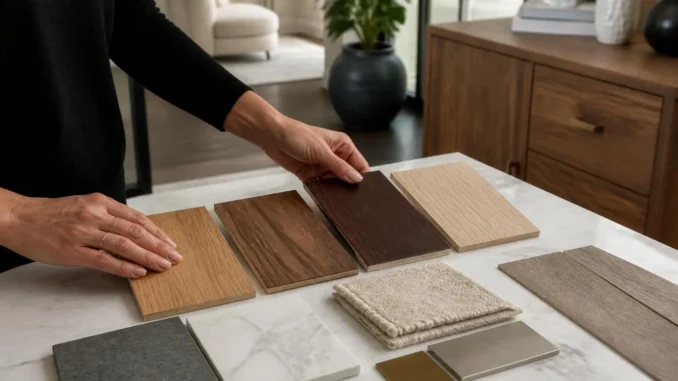
Choosing Wood Finishes requires careful consideration of the wood species, interior style, daily usage, and maintenance requirements. A suitable finish can highlight the natural beauty of timber while providing protection against moisture, scratches, and everyday wear. Understanding the available options helps homeowners make informed decisions that balance visual appeal with long-term performance.
Understanding Wood Finishes for Home Interiors
Wood finishes are protective coatings or treatments applied to wooden surfaces to improve their appearance and resistance to damage. Depending on the product, they can create a matte, satin, or glossy appearance while preserving or changing the natural color of the wood. Choosing the right Wood Finishes for Home Interiors helps protect wooden surfaces while complementing furniture, flooring, and decorative elements. Selecting an appropriate finish also helps maintain a consistent interior design throughout the home.
Common Types of Wood Finishes for Residential Spaces
Several wood finishes are suitable for residential interiors. Oil finishes penetrate the wood and emphasize its natural grain, making them popular for furniture and decorative surfaces. Water-based polyurethane provides a protective layer with relatively low odor and quick drying times. Wax creates a soft, natural appearance, while varnish offers a durable protective coating. Lacquer is another option for furniture that requires a smooth, refined surface.
How Wood Finishes Affect Color, Texture, and Appearance
A wood finish can significantly influence the overall atmosphere of a room. Clear coatings preserve much of the timber’s original appearance, while tinted finishes introduce warmer, darker, or more contemporary tones. Matte finishes create a subtle and natural look, whereas glossy coatings reflect more light. The finish should complement the wood grain, surrounding colors, lighting conditions, and decorative materials.
Benefits of Choosing the Right Finish for Different Rooms
Different rooms require different levels of protection. Living room furniture may benefit from a finish that resists scratches and stains, while bedroom furniture can prioritize a natural appearance and easy maintenance. Kitchens and bathrooms need finishes appropriate for moisture exposure. Selecting the right product helps extend the service life of wooden surfaces and reduces the need for frequent refinishing.
Choosing Wood Finishes for Different Interior Needs
Homeowners should evaluate how each wooden surface will be used before selecting a finish. A dining table experiences different demands from a decorative wall panel or a bedroom cabinet. Considering durability, appearance, environmental conditions, and cleaning requirements makes it easier to choose a finish that suits the intended purpose.
Comparing Oil-Based, Water-Based, and Wax Finishes
Oil-based finishes often create a warm appearance and can provide a durable protective layer, although some products take longer to dry and produce stronger odors. Water-based finishes generally dry faster, retain a clearer appearance, and have lower volatile organic compound emissions than many conventional solvent-based alternatives. Wax offers a natural sheen but usually requires more frequent maintenance and provides less protection against moisture and heavy wear.
Matching Wood Finishes with Interior Design Styles
The finish should support the room’s overall design direction. Natural oil or matte finishes complement Scandinavian, minimalist, and rustic interiors. Medium brown stains work well in traditional spaces, while darker finishes can create contrast in contemporary rooms. Light-colored finishes may make compact spaces feel brighter. Coordinating wood finishes with flooring, furniture, and cabinetry helps create a cohesive appearance.
Balancing Durability, Maintenance, and Visual Appeal
A beautiful finish is most effective when it can withstand everyday use. High-traffic floors need abrasion-resistant coatings, while decorative furniture may prioritize texture and color. Homeowners should also consider cleaning methods, repair requirements, drying time, and indoor air quality. Reviewing product specifications helps identify a suitable balance between protection, appearance, and ongoing maintenance.
Practical Tips for Selecting and Maintaining Wood Finishes
Successful wood finishing depends on both product selection and proper application. Even a high-quality coating can produce disappointing results when applied to a dirty, damp, or poorly prepared surface. Following a consistent process helps homeowners achieve a more even appearance and preserve the finished wood over time.
Choosing Finishes for Floors, Cabinets, and Furniture
Wooden floors generally need durable finishes that withstand foot traffic, furniture movement, and regular cleaning. Kitchen cabinets benefit from coatings that resist fingerprints, grease, and moisture. Tables and chairs require protection against spills and scratches, while decorative furniture can use finishes selected primarily for appearance. For surfaces used around children or pets, check that the product is suitable for the intended indoor application and follow all safety instructions.
Preparing Wood Surfaces Before Applying Finishes
Proper preparation begins with cleaning the surface and removing dust, grease, and existing coatings when necessary. Sanding helps create a smooth, consistent base, although the appropriate grit depends on the wood and finishing product. Remove sanding dust thoroughly and allow the wood to dry before application. Apply the recommended primer or sealer if required, and test the finish on an inconspicuous area to check its color and compatibility.
Maintaining Finished Wood to Preserve Its Appearance
Regular maintenance helps prevent premature wear. Dust wooden furniture with a soft cloth, clean spills promptly, and use cleaning products recommended for the specific finish. Avoid excessive water, abrasive pads, and harsh chemicals that may damage protective coatings. Use felt pads beneath furniture legs to reduce scratches, and inspect frequently used surfaces for signs of wear. Recoat or refinish the wood when necessary, following the product manufacturer’s guidance.
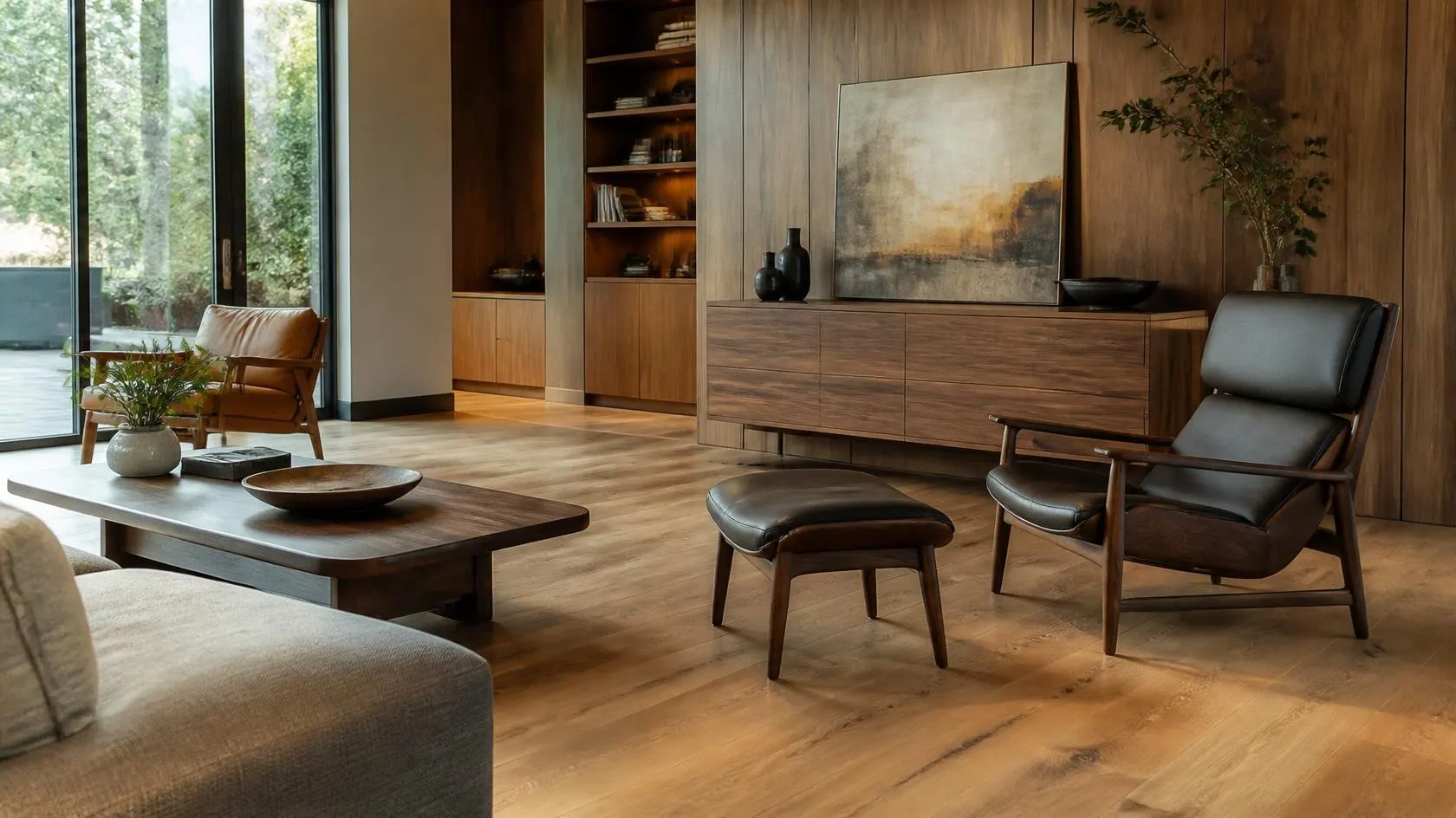
Transform Your Home with the Right Wood Finish
The right wood finish can improve the beauty, durability, and practicality of residential interiors. By comparing available products, matching finishes to individual rooms, and preparing surfaces correctly, homeowners can achieve results that complement their design preferences and daily routines. Regular maintenance further protects the investment and keeps wooden surfaces looking attractive.
Ultimately, successful interior design combines appearance with functionality. Take time to evaluate your wood type, desired finish, and maintenance expectations before making a decision. With thoughtful planning and appropriate application, wood finishes can help create a welcoming home that remains stylish and practical for years to come.